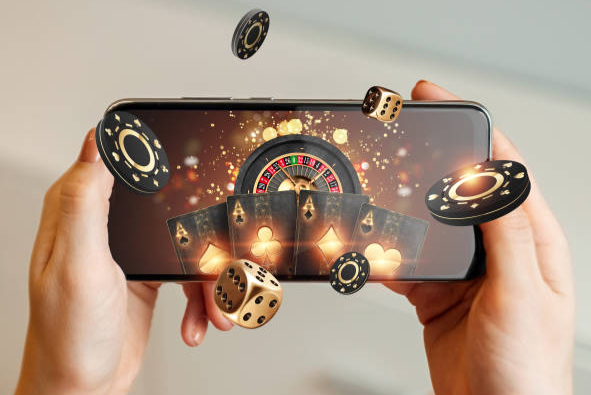
Have you ever opened a casino game and felt interested even before the first round started?
This reaction is not by chance. From the first second, design plays a major role in how players respond to a game. Before users check the features, payouts, or controls, they usually react to the mood.
All factors, including color, symbols, sound, pace, and the placement of screens work together to produce that mood. This design analysis determines state of comfort, excitement, attention, and even the game session’s duration.
For players, design is not just a garnish. Thus the design helps to decide if a game is simple or confusing. It can make a game feel fresh, restful, intense, or exhausting. This is of significance to operators and content creators as player experience is said to be an affect (emotion) first and cognition (logic) second.
If a game creates the right first impression, players explore the title further and learn its rules before the session becomes enjoyable. If the design is messy or disconnected, a great many users lose interest immediately.
This is why designs in casinos need to be taken into consideration seriously. Mood, trust, memory, and satisfaction are affected in ways the majority of the gamblers recognize only following some time of their stay. That is why casino designs deserve serious attention, because it influences mood, trust, memory, and satisfaction in ways that many players perceive only after some time.
First Impressions
The first few seconds are usually enough to make the decision, whether a WinboxMY player would like to stay or leave. design directly influences that moment. A cluttered look creates pressure, while a clean and focused one creates comfort.
Appealing Visuals
Visuals elicit responses from players even before they read any rule or button texts. Theming gives a game character. This can include the look and feel of a traditional card-room, graphics drawn from adventure designs, symbols from luxury concepts, or slick and colorful contemporary art. Each style sends a very different kind of message to the player.
For instance, a very traditional design evoke a sense of very calm and familiarity. On the other hand, a very high-energy design is a lot more exciting and intense. This is important because a lot of players want the same mood. Some want easy-to-feel entertainment to relax after work whereas others want an very huge adrenaline rush. Certain designs do well to fulfill those variness in moods and preferences.
Mood And Focus
A good design does more than just grab attention. A design does more than simply lure the attention; it also helps the players settle on the experience. That, however, requires more than just attention attraction; players must be able to settle into the experience, and a good design does exactly that.
When design elements complement the flow of the game, users normally track what is going on in the storyline with ease. It helps one feel less stressed out and more entertained during the session.
Sound And Atmosphere
Sound is underrated yet it has a strong impact on one’s mood. The very strong background music, click effects, fast win sounds, and the sound of movement are important in establishing the surroundings. Sound can create a very easy feeling if it is soft and much more balanced. Such sharp and repeated effects, when overused, affix too much pressure to bear.
A true well-matched sound style supports the design. For example, a very peaceful visual design with a lot of harsh sounds feels too chaotic and confusing. On the other hand, such an atmosphere enables the player remain focused and relaxed.
Trust And Comfort
Trust plays the background as a critical player experience component. Trust can be an implicit aspect of player experience, which benefits from a design that is clear, consistent and polished (ibid). Trust can be broken when designs feel haphazard and of poor quality.
Clear Design Signals
Players normally become psychologically safe when the interface in the game is easy to read. At the same time, buttons should not occupy too much space on the screen. The important information will be visible; Social symbols should logically fit the chosen design.
If the design hides useful controls or makes the screen more challenging to comprehend, frustration increases. That frustration forces a lack of confidence in the game itself. Clarity-supported design makes the whole session feel more stable.
Memory And Return Value
A powerful player experience does not end when the session is over. Some designs stay in memory for longer than others and eventually, return behavior.
Once players leave a game, they are all about feelings they got from the game rather than the too much detailing about the mechanics. After players leave a game, they remember how the game made them feel and not the intricate details of mechanics, so if the design created a mood without any ambiguity, it is more likely to be remembered by the user.
Design Recall
Memorable designs make games differentiable. A player forget the title name but truly recalls sensory detailing like a very dark mystery mood, a festive set-up or a lot of clean classic looks here and there.
That connection is important because players always come back to those games that were comfortable and easy to remember. That connection is important because players also often come back to games that felt familiar and easy to recall, and a strong design can back up those habits without having to rely on loud tricks.
Impactful Experience
Real player logic is straightforward. If a design makes the game feel very clear, a lot more enjoyable, and very easy to follow, it complements the overall experience. If a design brings about confusion, noise or fatigue, it brings an opposite effect.
Final Thoughts
For that reason, design is not just visual packaging. It is part of the full player experience. When design, sound, pace, and clarity work together, the result feels more satisfying and easier to enjoy. That is why smart players often pay attention to design, even if they do not always say it out loud.